
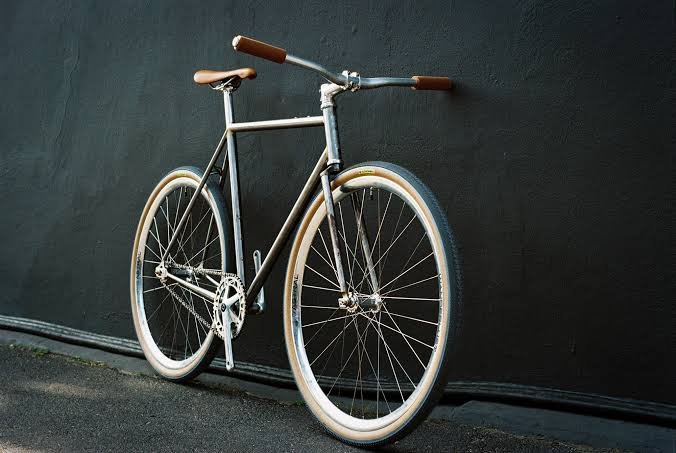
Wheels are one of the most effective upgrades you can make to a road bike. A good wheelset changes how the bike accelerates, climbs, corners and absorbs rough tarmac, and it often does so more noticeably than a new groupset. This guide explains what matters when choosing road bike wheels in 2026, whether you ride a modern disc brake bike or an older rim brake frame, so you can narrow down a wheelset that fits your riding and budget.
Quick answer: what to look for
- Disc brake bike, mixed riding: a tubeless-ready wheelset with 30–45 mm rim depth and a 21–25 mm internal width is the safest all-rounder.
- Hilly or climbing-focused riding: choose shallower rims (under 35 mm) and a lower overall weight.
- Fast, flat or race riding: deeper rims (50 mm and up) give an aerodynamic advantage, at the cost of crosswind handling and some weight.
- Rim brake frame: stick with rim brake wheels with a dedicated braking surface. The choice is narrower than it used to be, so check availability before you buy.
Rim brake vs disc brake wheels
Your frame decides this for you. Rim brake and disc brake wheels are not interchangeable, and the differences go beyond the brake itself.
| Feature | Disc brake wheels | Rim brake wheels |
|---|---|---|
| Brake interface | Rotor mount on the hub (Centre Lock or 6-bolt) | Braking track on the rim |
| Axle standard | Usually 12 mm thru-axle (100 mm front, 142 mm rear) | Usually quick release (100 mm front, 130 mm rear) |
| Braking in the wet | Strong and consistent | Weaker, especially with carbon rims |
| Rim design | No braking track needed, so rims can be lighter and wider | Braking track needs to be wear-resistant and heat-tolerant |
| Tyre clearance | Generally more room on modern frames | Limited by caliper and frame |
If you are buying a new bike or frame in 2026, it will almost certainly be disc brake, and most wheel development now focuses on discs. Rim brake riders can keep a frame running for years, but should plan for fewer wheel options and, in some cases, discontinued models.
Rim depth: shallow, mid or deep
- Under 35 mm (shallow): light, stable in crosswinds and responsive when climbing. A good choice for hilly terrain and lighter riders.
- 35–50 mm (mid-depth): the best compromise for most riders. Noticeable aerodynamic benefit without much of a weight or handling penalty.
- 50 mm and deeper: best for flat roads, time trials, triathlon and fast group rides. Less comfortable in strong, gusty crosswinds, particularly for lighter riders.
Many riders choose a mid-depth wheelset for everyday use, and some add a second, deeper pair for race days.
Rim width and tyre size
Road tyres have grown wider and rims have followed. Internal widths of roughly 21–25 mm are now common, and they suit tyres in the 28–32 mm range well. A wider rim gives the tyre a more stable shape, which improves grip, comfort and rolling efficiency at lower pressures. Always check the rim manufacturer’s recommended tyre width range and the maximum pressure.
Tubeless, clincher and hookless rims
Tubeless-ready rims are now the standard on quality road wheelsets. They let you run lower pressures without pinch flats, and sealant closes small punctures as you ride. Standard clincher setups with inner tubes still work well and are easier for some riders to maintain.
Some modern rims are hookless, meaning they lack the traditional bead hook inside the rim wall. Hookless rims have a lower maximum tyre pressure, and they must be paired with tyres that are approved for hookless use. Check both the rim and tyre manufacturers’ guidance before inflating, since exceeding the limit can cause a tyre to blow off the rim.
Carbon vs aluminium
- Aluminium: more affordable, durable and easier to repair or replace. A great choice for training, commuting and wet-weather riding.
- Carbon: allows deeper, lighter and more aerodynamic profiles. Costs more, but with disc brakes the old concerns about heat and wet braking largely disappear.
Hubs, freehub body and compatibility
The hub is easy to overlook, but it affects durability and maintenance. Look for sealed, serviceable bearings and a freehub body with quick engagement. Before buying, confirm these compatibility points:
- Freehub standard: Shimano HG, SRAM XDR or Campagnolo. The freehub must match your cassette, though many wheels offer interchangeable bodies.
- Axle and spacing: thru-axle size and hub width must match the frame.
- Rotor mount: Centre Lock or 6-bolt, matching your rotors (adapters exist).
- Tyre clearance: make sure the frame fits your chosen tyre on the wider rim.
Weight, spokes and stiffness
Rotating weight matters most when accelerating and climbing, but lower weight is not always better. Very light wheels can feel flexible and may have lower rider-weight limits. Spoke count and lacing affect stiffness and durability, so heavier riders should check the manufacturer’s weight limit. For most riders, a balanced wheel with good stiffness-to-weight beats the lightest option available.
How much should you spend?
- Entry level: aluminium wheelsets that are heavier but durable. Ideal for training and winter bikes.
- Mid-range: better hubs, lighter rims and tubeless readiness, often offering the best value per euro.
- High end: carbon rims, refined aerodynamics and premium hubs. The gains are real but smaller relative to the extra cost.
Remember that tyres have a big effect on how a wheelset feels. A mid-range wheelset with high-quality tyres often outperforms an expensive one fitted with mediocre tyres.
How to choose: a simple checklist
- Confirm your brake type and axle standard.
- Check your freehub and cassette compatibility.
- Decide on rim depth based on terrain and riding style.
- Pick a rim width suited to your preferred tyre size.
- Choose tubeless or clincher, and check hookless pressure limits.
- Set your budget, and include the cost of new tyres.
- Check the rider weight limit and warranty terms.
Frequently asked questions
Are carbon wheels worth it?
If you ride fast, race or care about aerodynamics and weight, yes, they can be. For casual riding on mixed roads, a good aluminium wheelset delivers most of the benefit at a much lower price.
Can I use disc brake wheels on a rim brake bike?
No. Disc wheels have no braking track and a different hub design, so they only work with disc brake frames.
What tyre width should I run?
Most riders are well served by 28–30 mm tyres on modern rims, but always stay within the rim and frame limits.
How long do road wheels last?
With regular bearing service, spoke tension checks and sensible use, a quality wheelset can last many years. Aluminium rim brake wheels wear their braking surface over time, while disc wheels avoid that issue.
Final thoughts
The best road bike wheels are the ones that match your frame, your terrain and the way you ride. Start with compatibility, choose a sensible depth and width, and spend on quality hubs and tyres before chasing the last few grams. A well-chosen wheelset will make your bike faster, more comfortable and more enjoyable on every ride.